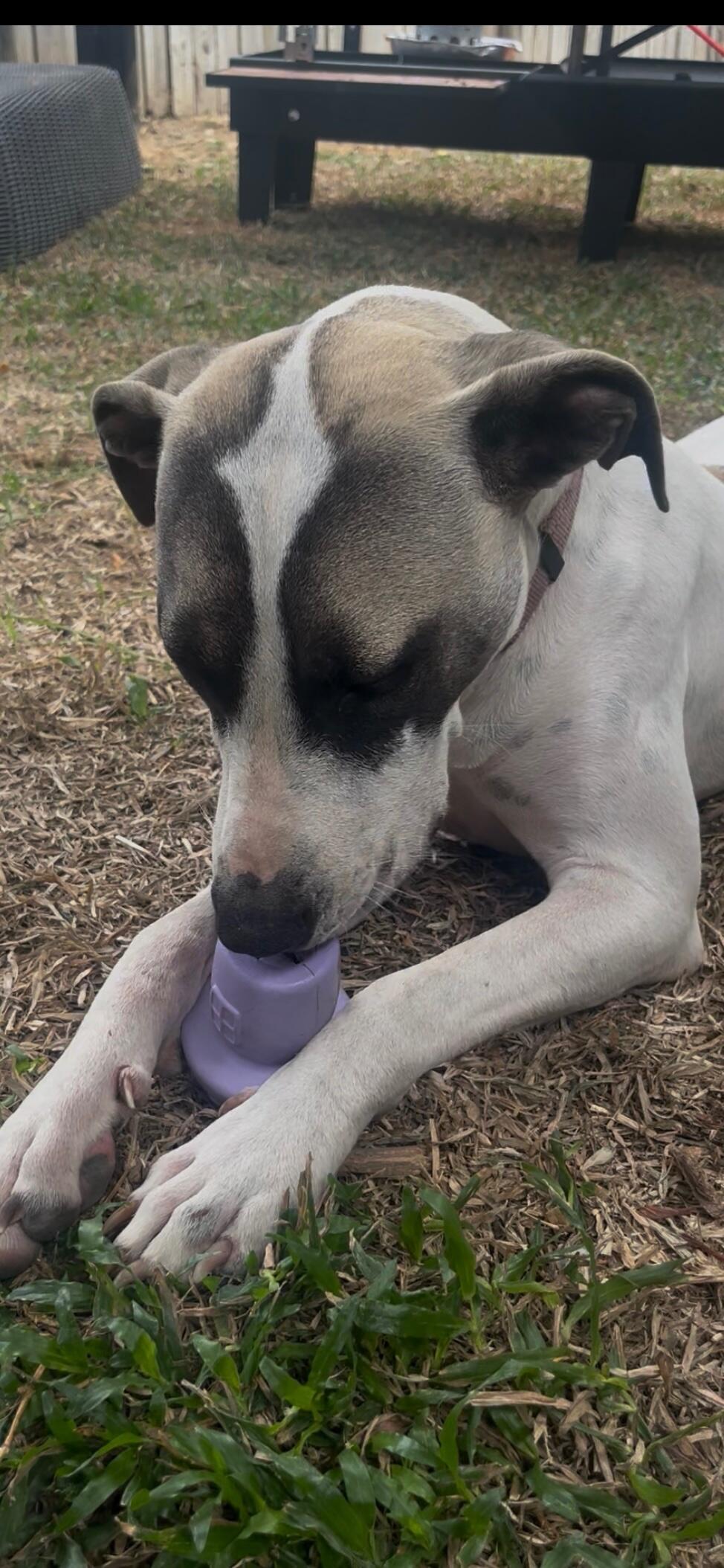

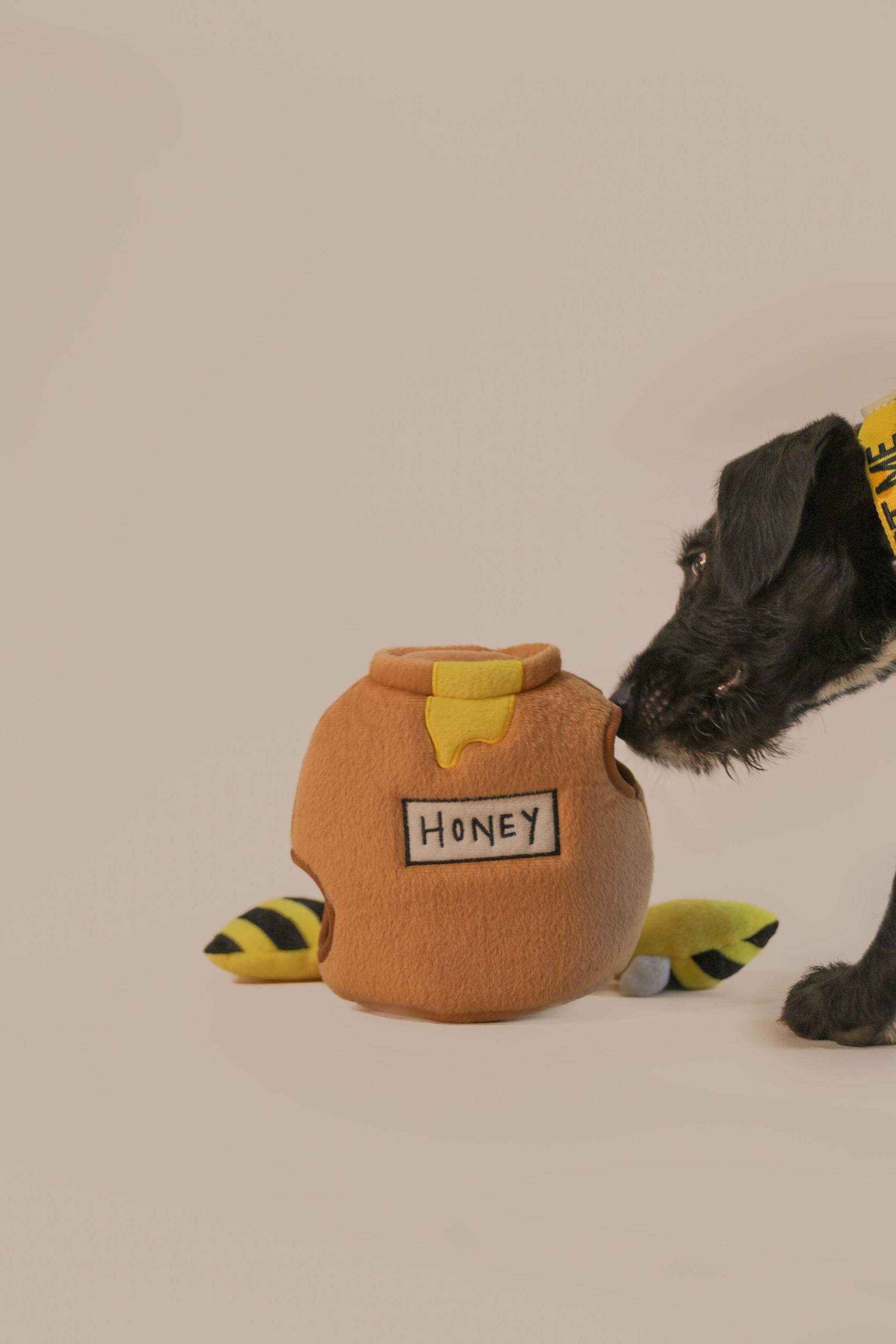
You’ve done everything right. You read about enrichment, you bought the toy, you filled it with something good, and your dog sniffed it once, walked away, and went back to staring out the window.
It’s one of the most common things we hear from dog owners, and it’s genuinely frustrating, especially when you’ve spent money on something designed to help.
Here’s the reassuring truth: a dog that ignores an enrichment toy isn’t a dog that doesn’t like enrichment. It’s almost always a dog that hasn’t been set up to succeed with it yet. The fix is usually simple, it just requires understanding why it’s happening and adjusting your approach.
Why dogs ignore enrichment toys
Before jumping to solutions, it helps to understand what’s actually going on. Dogs don’t ignore enrichment toys out of stubbornness, there’s always a reason. The most common ones are:
The toy is too hard
This is the most common reason. Enrichment toys are designed to be challenging, but if the challenge is too great for where your dog is right now, they’ll give up quickly. Dogs, like people, need to experience early wins to stay motivated. A toy that rewards nothing for the first five minutes of effort isn’t enriching, it’s discouraging.
The reward isn’t motivating enough
Enrichment toys are only as interesting as what’s inside them. If you’ve loaded a toy with your dog’s regular dry kibble, the same thing they eat twice a day with zero effort, the motivation to work for it is low. Why solve a puzzle for food you’d get anyway?
The toy is unfamiliar
Some dogs, especially those who haven’t had much enrichment experience, are cautious around new objects. A novel toy placed in front of them might trigger wariness rather than curiosity. This is particularly common in rescue dogs or dogs that weren’t exposed to varied objects and experiences as puppies.
The timing is off
A dog that has just eaten a full meal has very little food motivation. A dog that’s exhausted from a long walk wants to sleep, not problem-solve. Timing matters more than most people realise, and the wrong moment can make even a great toy seem unappealing.
The dog hasn’t learned how to play with it
Enrichment toys aren’t always intuitive. Some dogs need to be shown what to do, not because they’re not smart, but because interacting with a puzzle toy is a learned behaviour. If no one has ever modelled it for them, they simply don’t know where to start.
How to introduce enrichment toys so your dog actually engages
The goal is to build a positive association with the toy and set your dog up for early success. Here’s a step-by-step approach that works for most dogs, including the ones that have previously shown zero interest.
1. Start with the easiest possible version
Make the toy almost embarrassingly easy at first. If it’s a puzzle, leave the compartments open. If it’s a feeder, let treats fall out with the slightest movement. The point is to let your dog experience the toy as rewarding before you introduce any real challenge. Once they’re confidently engaging, gradually increase the difficulty over several sessions.
2. Upgrade the reward
Swap out dry kibble for something your dog genuinely gets excited about, small pieces of cooked chicken, cheese, or a high-value treat. You can always scale back to lower-value rewards once the behaviour is established. High-value food dramatically lowers the activation energy needed to get a reluctant dog interested.
3. Let your dog watch you load it
Load the toy in front of your dog, making it obvious that something good is going inside. This builds anticipation and removes the mystery of what the toy even is. A dog that watches you load a toy with chicken is already interested before you put it on the floor.
4. Demonstrate it yourself
Sounds silly, but it works. Pick up the toy and interact with it yourself, tip it, roll it, slide the compartments. You’re not training your dog, you’re triggering their social curiosity. Dogs are highly attuned to what their humans are doing, and showing interest in an object is often enough to spark their own.
5. Time it right
Introduce the toy before a meal, not after. A slightly hungry dog is a motivated dog. Avoid introducing it when your dog is over-tired or over-stimulated, find a calm moment when they’re alert but settled.
6. Keep sessions short to start
Five minutes of positive engagement is worth more than twenty minutes of frustration. End the session while your dog is still interested, not after they’ve given up. Finishing on a win builds the association that this toy equals good things, which makes next time easier.
A note on patience
Some dogs take to enrichment toys immediately. Others need a few weeks of gradual introduction before they really get it. Neither is a reflection of intelligence, it’s just a reflection of their history, their confidence, and how much enrichment experience they’ve had.
If you’ve tried the steps above and your dog is still showing no interest after a couple of weeks, it’s worth considering whether the toy is the right match for your dog’s size, chewing style, and skill level. Not every toy suits every dog, and that’s okay.
At CleverTails, we’re happy to help you figure out what’s the right fit. Our toys are designed with different engagement styles and skill levels in mind, because we know that enrichment only works when the dog actually wants to do it. Browse the range and find the right match for your dog.